
News
From the studio.
Product launches, design insights, and the thinking behind Gaia.

Comparison23 July 20267 min read
Gaia vs mnml.ai: An Honest AI Render Comparison
Both live in the browser and both turn a flat image into a render. The difference is what they optimize for, and which one belongs in your concept phase.
Read more →
Comparison23 July 20268 min read
The Best AI Tools for Architectural Concept Renders in 2026
No fake scores, no single winner. A fair survey of the AI render category, framed by use-case, with Gaia positioned for the concept phase specifically.
Read more →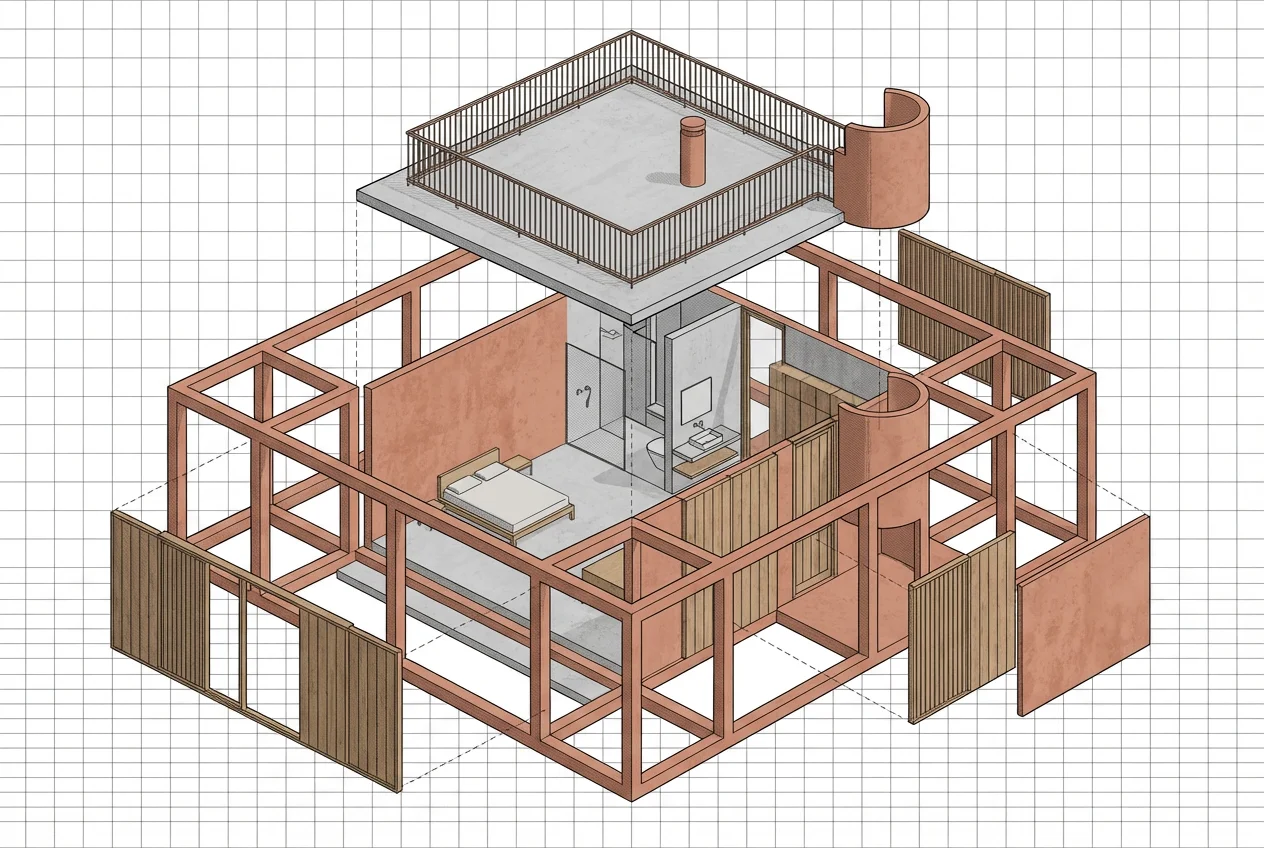
Guide23 July 20267 min read
How to Render a SketchUp Model With AI
Export a SketchUp view, upload it, direct the camera, materials and light, then render in about twenty seconds and refine with Edit.
Read more →
Guide23 July 20267 min read
How to Render a Rhino Model With AI
Capture a Rhino viewport, upload it, direct the camera, materials and light, then render in about twenty seconds and refine with Edit.
Read more →
Comparison23 July 20267 min read
Gaia vs Veras: AI Rendering for the Concept Phase
Veras renders the model you already built. Gaia renders the idea before the model exists. Here is how to choose between them in the concept phase.
Read more →Guide23 July 20268 min read
How to Turn a Sketch Into a Render With AI
Upload a sketch, direct the camera, materials and light, then iterate. A clear walkthrough for turning any 2D drawing into a render with AI.
Read more →Interior Design18 April 20266 min read
What “Decision Graph” Means on Gaia: Three Things That Exist Today
A plain-language split: shipped behaviour (quiz + Firestore tree, shared decks), unchanged tools (Interior AI), and the next user-visible slices we are building.
Read more →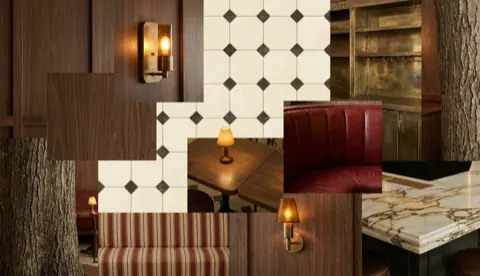
Launch17 April 20264 min read
Living Nodes: how to share a real-time concept deck
Living Nodes are live: one URL for a Firestore-backed prompt and node strip, guest-friendly remix, micro style quiz, and a path into Studio. Read this for the how-to; read the manifesto for the why.
Read more →
Interior Design16 April 20265 min read
The 5 Best RoomGPT Alternatives in 2026 (One Is Free)
RoomGPT launched the AI interior design category. Two million people have used it. But it has one fundamental problem: it forgets you.
Read more →
Architecture15 April 20265 min read
Why Most Architecture Rework Happens Before You Open Revit
The McKinsey stat gets cited constantly: construction projects run 20% over budget, 80% over schedule. The cause is almost never the build phase. It's the brief.
Read more →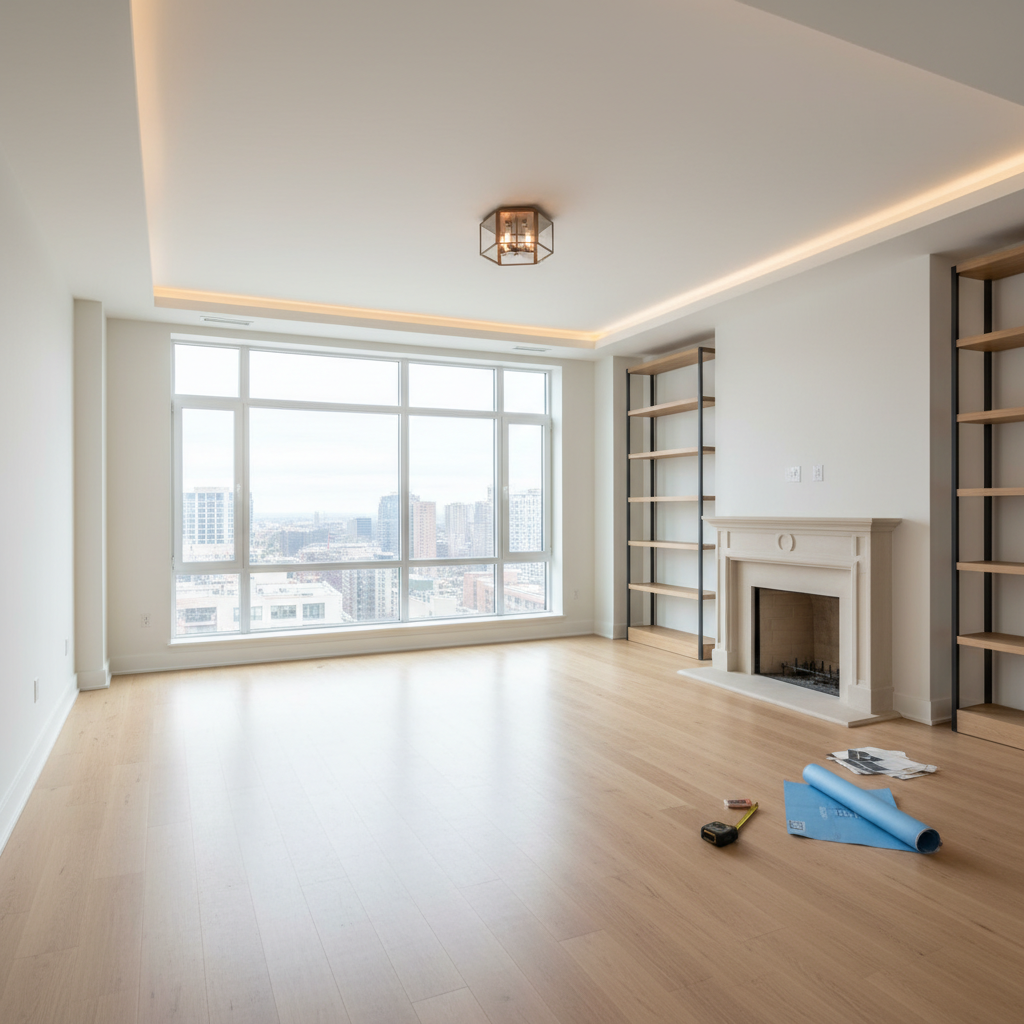
Real Estate14 April 20263 min read
How to Virtually Stage an Empty Room with AI (Step-by-Step)
Virtually staging an empty room with AI takes under 2 minutes. Here's exactly how to do it.
Read more →
Real Estate13 April 20264 min read
One Staged Listing Pays for 20 Months of Gaia Pro
Traditional virtual staging costs €150–400 per room. Gaia Pro costs €24/month. One staged listing pays for 20 months.
Read more →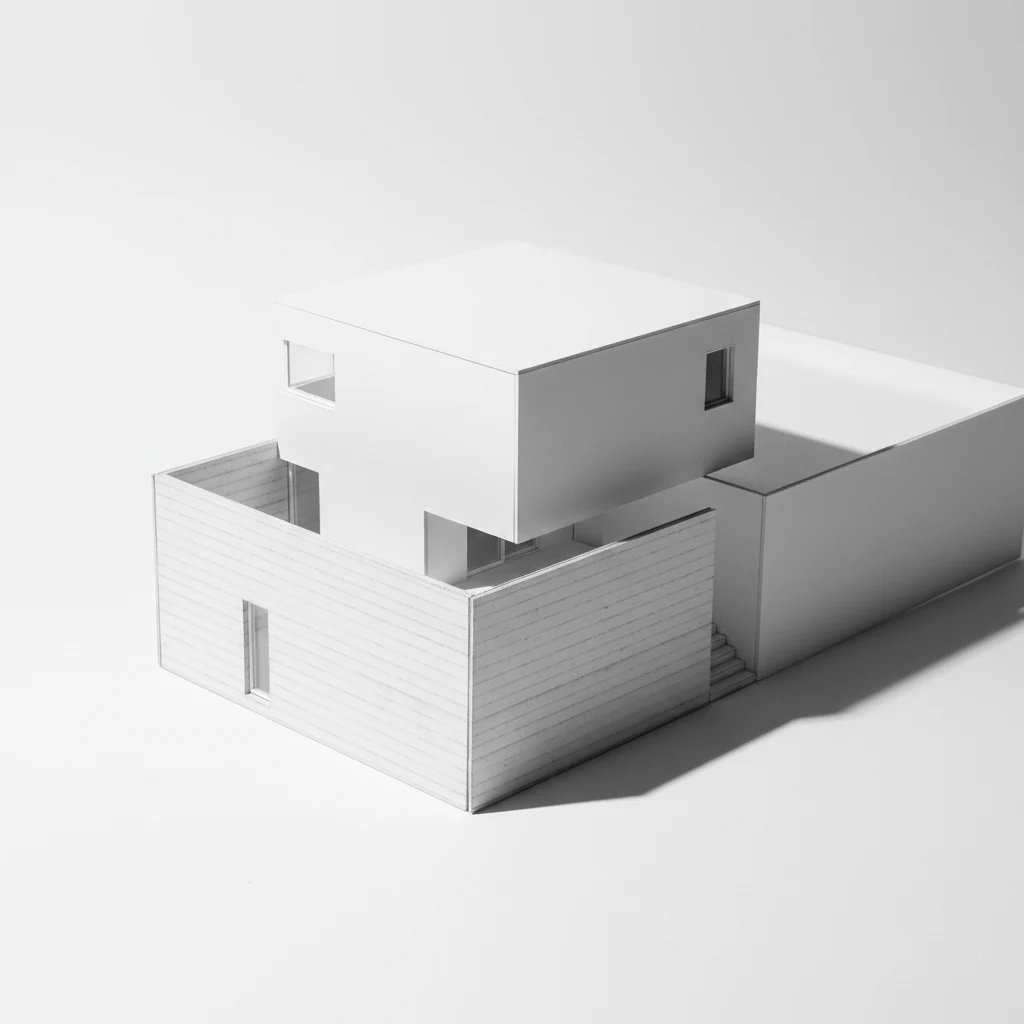
Architecture12 April 20264 min read
SketchUp Screenshot to Photorealistic Render in 20 Seconds
Every architect knows the gap. Clean SketchUp model, client expecting a presentation image, 40-minute V-Ray setup. There's a faster path.
Read more →
Interior Design11 April 20264 min read
Dark Japandi: The Most-Saved Interior Style on Pinterest Right Now
Dark Japandi has become the defining aesthetic of the mid-2020s. Not the pale, whitewashed Scandinavian version that peaked around 2019 — the deeper cut.
Read more →
Interior Design4 April 20265 min read
Japandi Interior Design: What It Actually Is and How AI Gets It Right
Japandi is not a trend. It is a convergence of two design philosophies that share more than they differ. Here is what defines authentic Japandi and why AI-generated versions are surprisingly accurate.
Read more →
Real Estate4 April 20264 min read
How to Virtually Stage a Kitchen with AI
Kitchens sell houses. Empty kitchens do not. Here is how to use AI virtual staging to transform a bare kitchen into a buyer magnet, with real results in seconds.
Read more →Architecture4 April 20266 min read
AI in Architecture Schools: How Students Are Using It (and What Faculty Think)
Architecture students are integrating AI into studio work, thesis projects, and competition entries. A look at how schools are responding and what it means for architectural education.
Read more →
Comparison4 April 20265 min read
Gaia vs Collov AI: Virtual Staging and Interior Design Compared
Collov AI and Gaia both offer AI virtual staging and room redesign. Here is how they compare on style quality, pricing, workflow, and what each does best.
Read more →
Comparison4 April 20266 min read
Gaia vs Midjourney for Architecture: What Actually Matters
Midjourney produces stunning imagery. But when architects need camera control, material accuracy, and iteration on the same design - not random variation - the gap becomes clear.
Read more →Guide4 April 20268 min read
Best AI Rendering Software for Architects in 2026
The AI rendering landscape for architects has exploded. Here are 10 options worth knowing - what each does well, what it costs, and which one fits your workflow.
Read more →
Architecture4 April 20266 min read
AI vs Traditional Rendering: Cost, Speed, and Quality Compared
Traditional rendering is precise, controllable, and slow. AI rendering is fast, cheap, and improving. Where each belongs in your workflow, with real numbers.
Read more →
Real Estate4 April 20266 min read
How Real Estate Agents Use AI to Sell Homes Faster
The data is clear: staged homes sell faster and for more money. AI has made staging instant and nearly free. Here's the playbook top-performing agents are using.
Read more →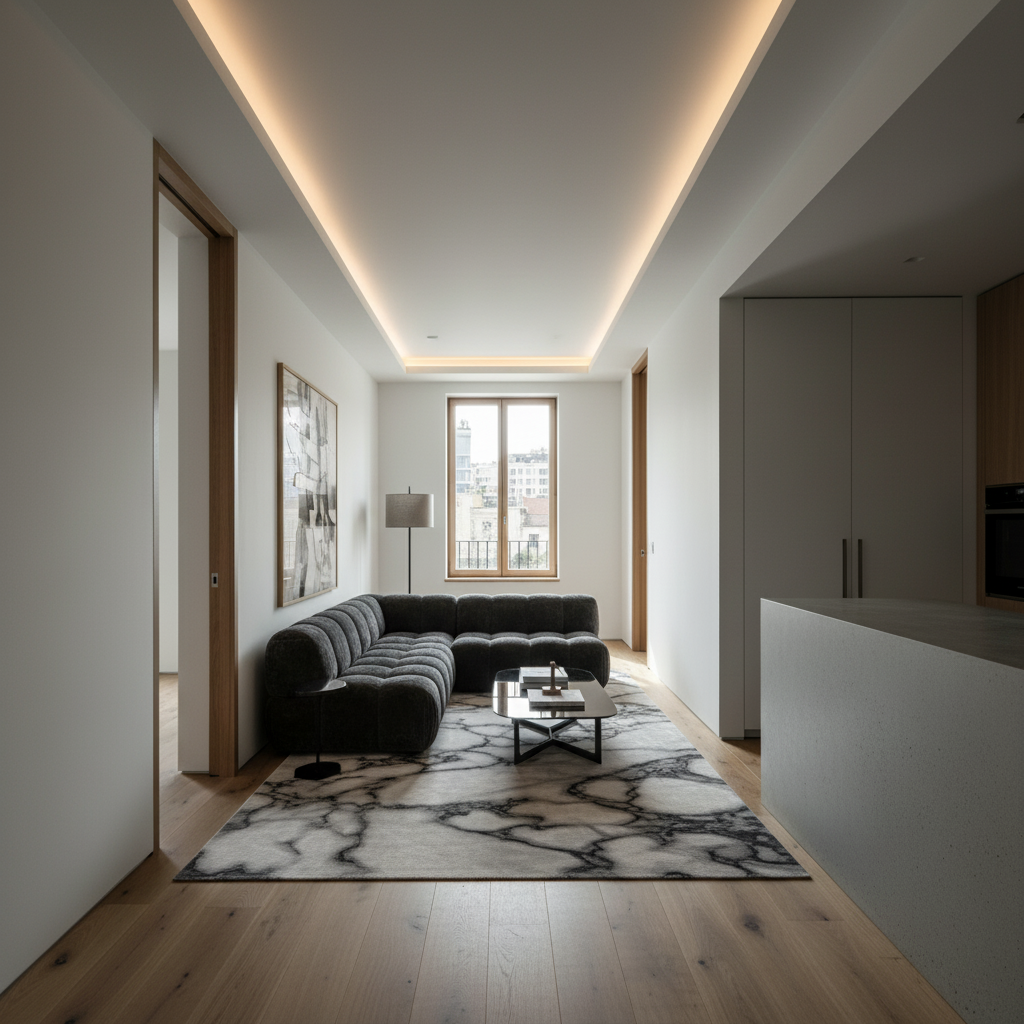
Comparison4 April 20266 min read
Top 5 Interior AI Alternatives in 2026
The AI interior design category has grown fast. Five options dominate the conversation in 2026. An honest comparison of each, plus the one we recommend for serious design work.
Read more →
Interior Design4 April 20265 min read
Interior Design Trends 2026 - What AI Data Shows
Trend reports are everywhere in January. By April, you can see which ones actually stuck. Based on 100K+ generations on Gaia, here's what designers and homeowners are actually exploring in 2026.
Read more →
Industry1 April 20265 min read
Every building you've ever been in was designed with 1997 software. That's about to change.
Andreessen Horowitz just called architecture software the largest underdigitized market in the world. They're right. But the disruption won't start where they think.
Read more →
Interior Design27 March 20263 min read
Find your interior design style — before you spend a thing
Before you buy a new sofa, repaint a wall, or scroll through another Instagram account that looks nothing like your home — take 60 seconds to find out what you actually like.
Read more →
Design25 March 20263 min read
Iterate like Gehry: design evolution with AI
Gehry embraced early technologies like CATIA to translate complex ideas into buildable structures. We built Gaia to bring that iterative power to your daily workflow — start with a basic massing concept, then refine it conversationally.
Read more →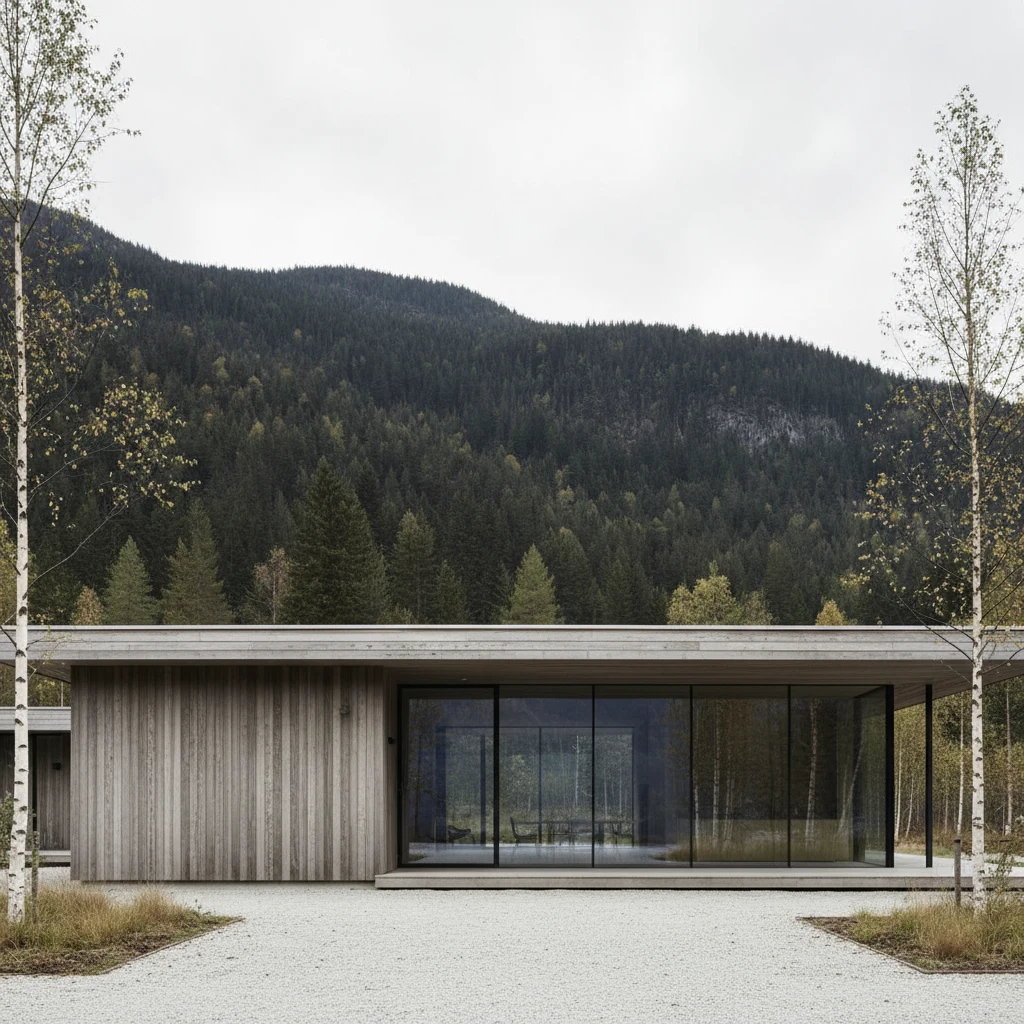
Founder23 March 20265 min read
Gaia is so back: 5,000 users, 600K+ renders, what's next
Over a year ago I paused Gaia. I went back to school — maybe because I had more questions than answers, and I couldn't build the right tool without first understanding the problem more deeply.
Read more →
Founder22 March 20264 min read
What happens when a PhD researcher builds a product
Most startups optimize for growth. I'm optimizing for understanding. Here's what that looks like in practice — and why I think it produces better software.
Read more →
Launch20 March 20264 min read
Interior AI: Virtual staging in 20 seconds
We built Interior AI because virtual staging was broken — expensive, slow, and still required a designer. With Interior AI you upload a room photo, pick a style, and get four photorealistic redesigns in 20 seconds.
Read more →Launch14 February 20266 min read
Gaia V2: Rebuilt from the ground up
V2 is the product we set out to build. A complete rebuild of the generation engine, a new canvas-based editing experience, and the first version of the Gaia digital twin — an intelligence that learns your design language over time.
Read more →
Insight8 January 20265 min read
Why architectural visualization needs to change
Architectural visualization has been expensive, slow, and disconnected from the design process since it went digital. AI doesn't just speed it up — it changes what's possible.
Read more →