
How Real Estate Agents Use AI to Sell Homes Faster
Staged homes sell 73% faster. AI staging costs a fraction of physical staging. What top agents are doing right now.
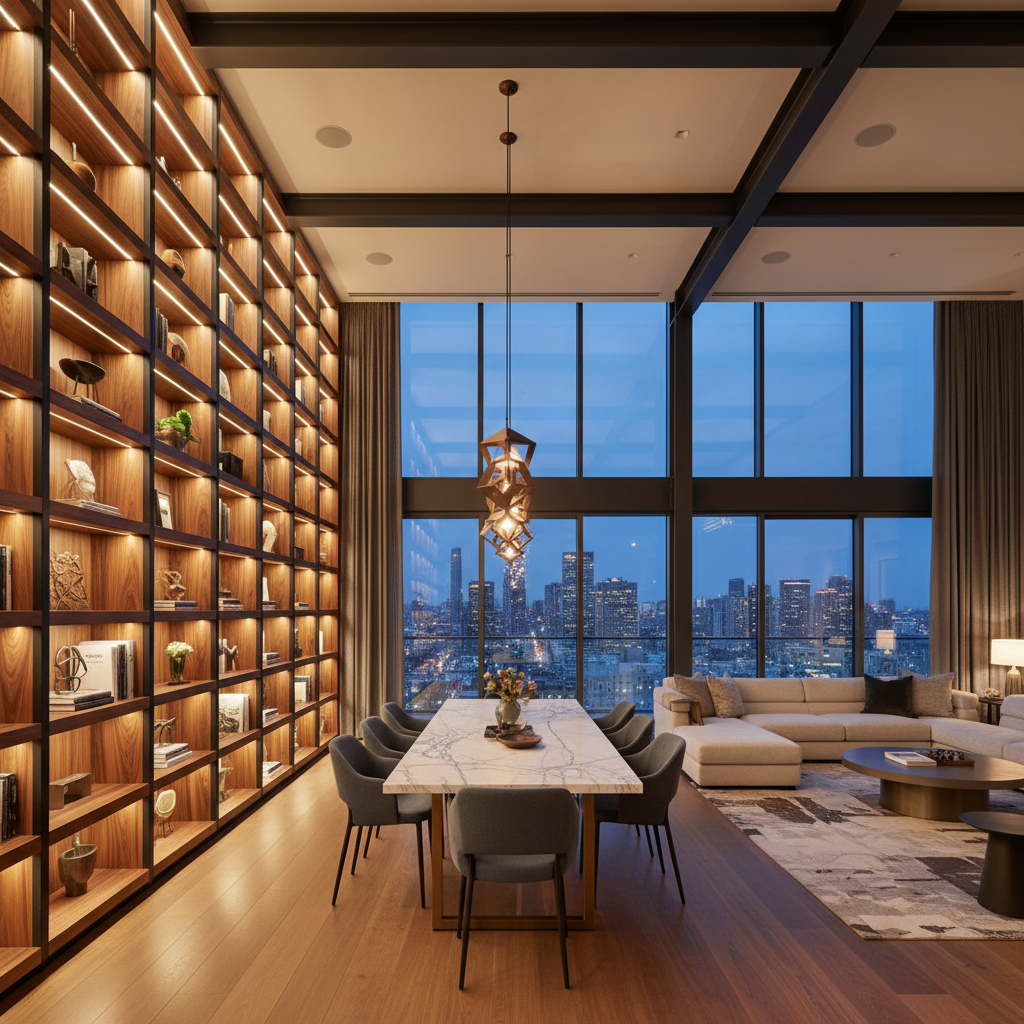
The National Association of Realtors has been tracking it for years: staged homes sell 73% faster than unstaged properties. Listings with professionally staged photography see up to 90% more click-throughs on property portals. Staging works. It has always worked.
What has changed is the cost. Physical staging - renting furniture, hiring a designer, coordinating delivery and pickup - runs $2,000 to $5,000 per property. Virtual staging from a traditional service costs $150 to $400 per room, with a 24 to 48 hour turnaround. AI staging costs $1 to $15 per image and takes 20 seconds.
The math has tipped. Here's what the top-performing agents are actually doing with it.
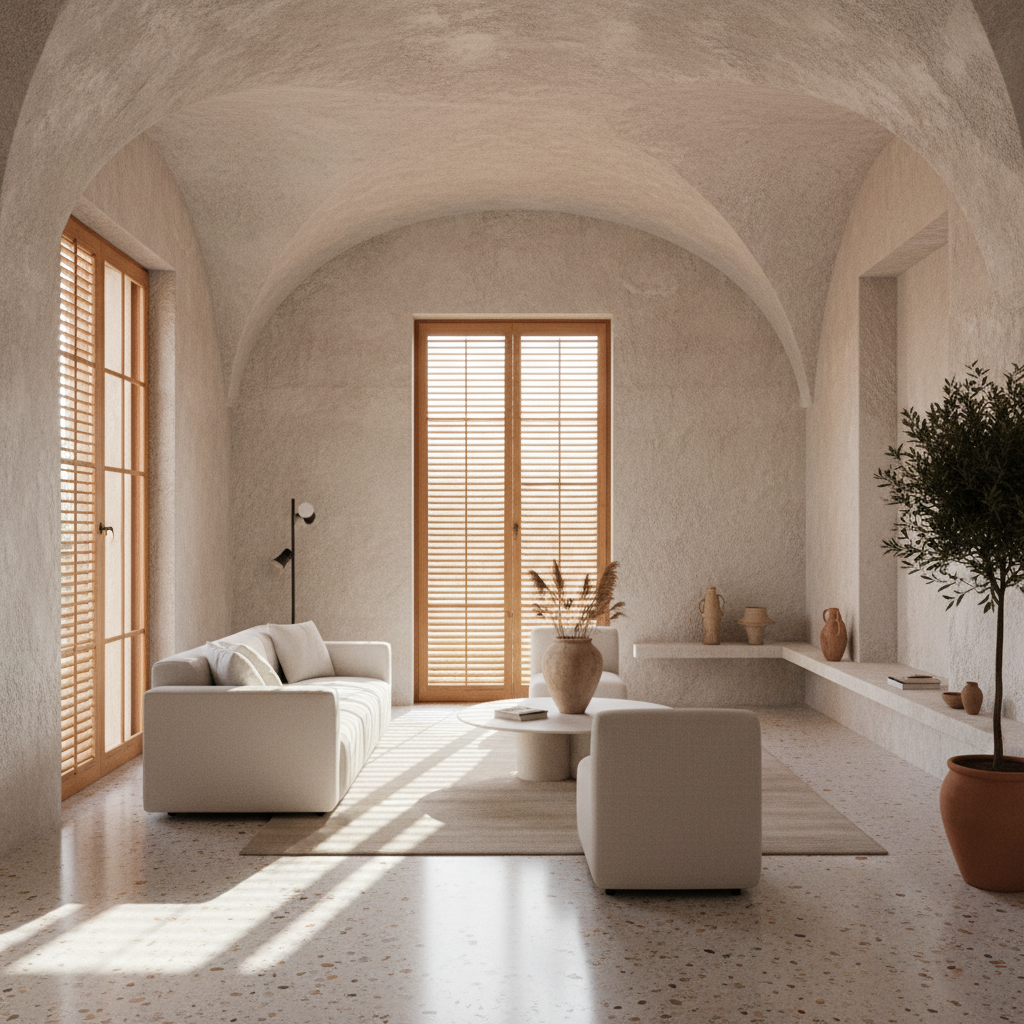
1. Staging every listing, not just the expensive ones
When staging cost $3,000 per property, agents made a calculation: is this listing worth it? High-value properties got staged. Starter homes and rentals didn't. The result was a two-tier system where the properties that needed the most help selling got the least support.
At EUR 24/month for unlimited AI staging, that calculation disappears. Every listing gets staged. Every empty room gets furniture. Every dated kitchen gets a modern reimagining. The agent who stages everything outsells the agent who stages selectively, because buyers do not comparison-shop by price tier. They scroll and click on what looks good.
2. Showing buyers the 'after' before they walk away
The biggest risk with dated properties is that buyers mentally check out during the viewing. They see the 1990s kitchen tiles, the floral wallpaper, the brown carpet, and they are done. They cannot see past it.
Smart agents now bring a tablet to viewings with AI-generated 'after' images of every room. Standing in the dated kitchen, the buyer sees a render of that exact space with new cabinetry, modern flooring, and contemporary lighting. Same room, same dimensions, same window placement, just transformed. The buyer stops seeing a problem and starts seeing potential.
3. Multiple style variations for different buyer profiles
Different buyers want different things. A young professional couple and a retired downsizer are looking at the same property with different eyes. Traditional staging locks you into one style. AI staging lets you generate multiple versions of the same room in minutes.
Top agents are creating style-specific listing packages: Modern Luxury for the premium market, Warm Contemporary for families, Scandinavian Minimal for younger buyers. Some are even letting buyers choose their preferred style from a gallery during initial enquiry. Zero-cost personalization that dramatically increases engagement.
4. Off-plan renders for new developments
New developments sell on vision. Buyers are making six-figure decisions based on floor plans and CGI renders that cost the developer $2,000 to $5,000 per image from a traditional visualization studio. Agents selling off-plan now use AI rendering to generate supplementary views - alternate furniture layouts, different times of day, seasonal variations - that the developer's CGI package did not include.
One agent we spoke with generates a 'lifestyle pack' for every off-plan unit: the living room at golden hour, the bedroom in morning light, the kitchen set for dinner. Total cost: a few euros. Total impact on buyer confidence: transformative.
5. The style quiz as a lead qualification engine
Some agents have started using AI design engines as lead generation. A quick style quiz on their website - 'What is your interior style?' - generates a personalized room render in the buyer's preferred aesthetic. The buyer gets something useful. The agent gets a qualified lead with explicit style preferences, making property matching dramatically more efficient.
This isn't theoretical. Agents using style-based lead qualification report higher conversion rates because they're showing buyers properties that match their stated taste, not guessing.
The numbers
- Staged homes sell 73% faster (National Association of Realtors).
- Staged listings see up to 90% more click-throughs on portals.
- Physical staging: $2,000–$5,000 per property.
- Traditional virtual staging: $150–$400 per room, 24–48 hour turnaround.
- AI staging: $1–$15 per image, 20-second turnaround.
- ROI: One listing's traditional staging budget covers 2+ years of AI staging.
Getting started
If you are an agent who has not tried AI staging yet, start with a single listing. Pick an empty room, ideally one that is hard to sell because buyers cannot visualize the space. Upload the photo, choose a staging style, and generate. The whole process takes less time than reading this article.
The agents who adopted professional photography early outsold those who did not. The agents adopting AI staging now are building the same advantage, except this time it is faster, cheaper, and available to everyone.
Start staging at gaia.computer/stage - 5 free credits, no card required.