
Iterate like Gehry: design evolution with AI
Frank Gehry's iconic forms didn't appear overnight. Here's how AI brings that iterative power to your daily workflow.
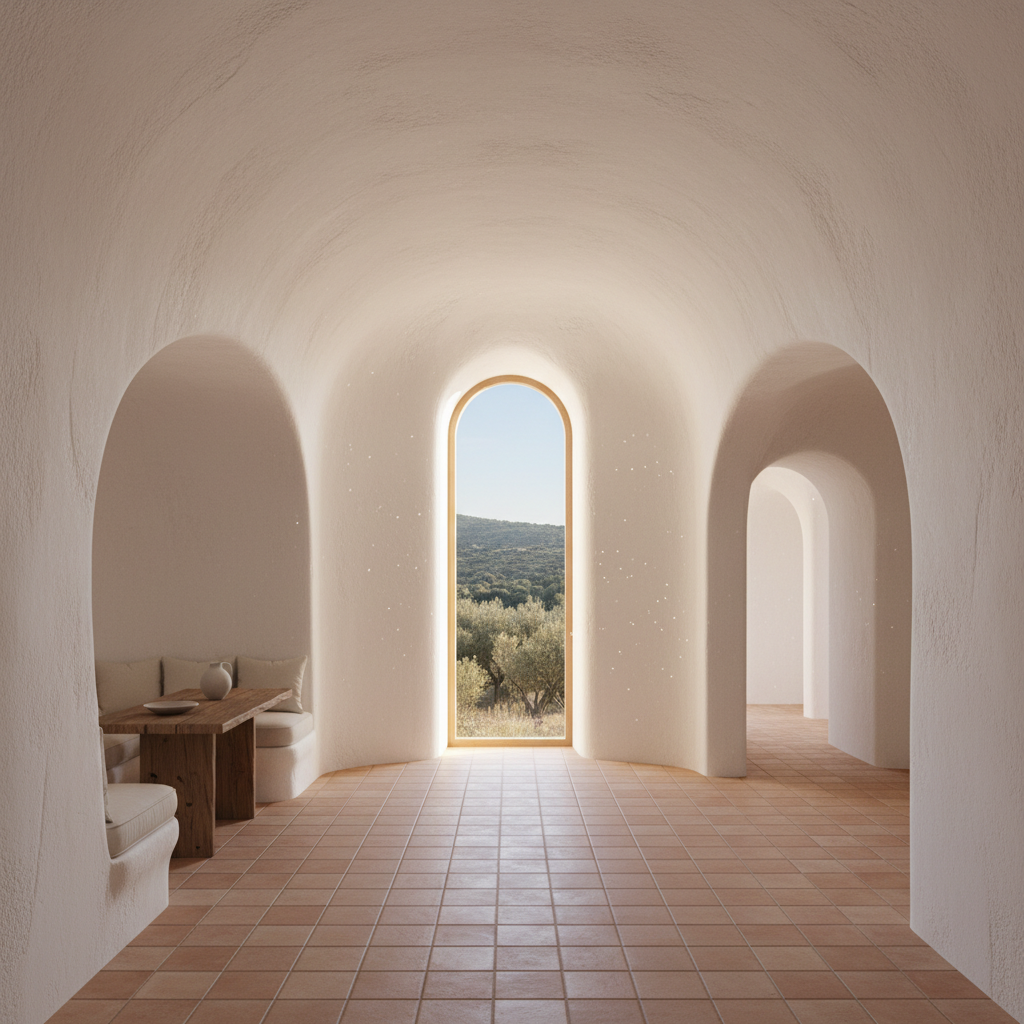
Frank Gehry's iconic forms didn't appear overnight. They evolved through countless physical models and iterations — a process often time-consuming and costly for architects today. Gehry embraced early technologies like CATIA to translate complex ideas into buildable structures. We built Gaia to bring that iterative power to your daily workflow, directly in the Studio.
Start with a basic massing concept, then refine it conversationally. In the FloatingPromptBar, use our Gemini Pro model to explore variations: 'a deconstructivist museum, titanium facade, inspired by crumpled paper, situated on a riverbank'. Then iterate: 'Now, make the facade more fluid, add a pedestrian bridge connecting to the main entrance.'
Style extraction
For a Gehry-esque aesthetic, upload an image of one of his buildings using Style Extraction. Then prompt your new design concept, and Gaia will apply that visual language to your work. The result isn't a copy — it's your concept, filtered through a specific architectural vocabulary.
The iterative workflow
- Start broad: generate 4 variations of your massing concept
- Pick the strongest direction and iterate with a follow-up prompt
- Use Gaia Edit to mask specific regions for targeted changes
- Lock a style with the style lock feature to maintain consistency
- Save successful prompts and settings as presets for reuse
This is the loop Gehry would have used if he had it. Not AI replacing the architect's judgment — AI accelerating the architect's process. The judgment is still yours. The iteration is just 300× faster.