
Dark Japandi: The Most-Saved Interior Style on Pinterest Right Now
Charcoal linen. Aged oak. Rust-toned clay. A single architectural pendant. Here's how to visualise it in your actual room.
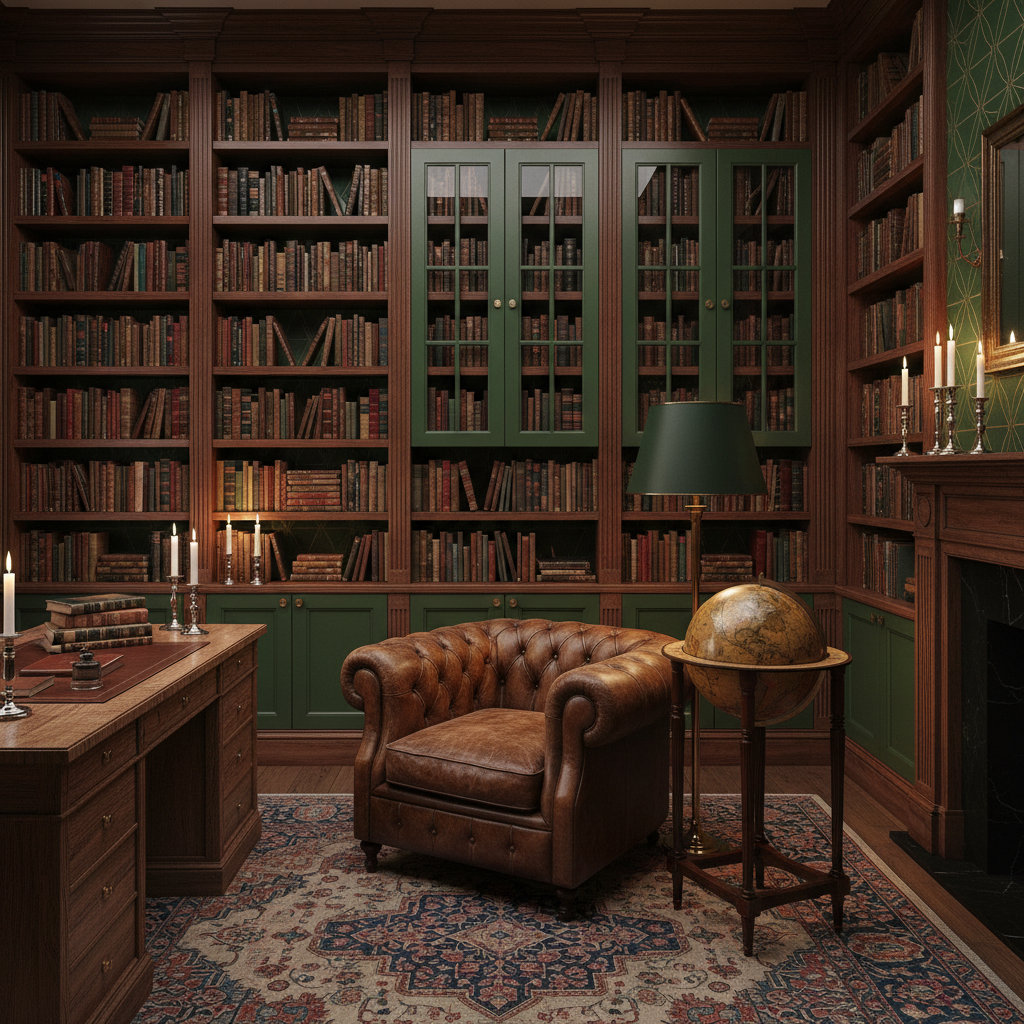
Dark Japandi has become the defining aesthetic of the mid-2020s. Not the pale, whitewashed Scandinavian version that peaked around 2019 — the deeper cut. Charcoal linen. Aged oak. Rust-toned clay. A single architectural pendant. Everything deliberate, nothing decorative.
Pinterest data confirms what design professionals already know: Dark Japandi saves are growing consistently — Pinterest's own trend data shows the style outperforming classic Japandi year-over-year. And the people pinning it aren't just collecting inspiration — according to Pinterest Business (2024), 87% of Pinterest users have made a purchase influenced by a pin.
What makes Dark Japandi different from regular Japandi
Classic Japandi sits at the intersection of Scandinavian minimalism and Japanese wabi-sabi. The dark variation tilts further toward the Japanese side — charcoal over cream, matte over gloss, shadow over light. Where regular Japandi says calm, Dark Japandi says considered.
Key signatures
- Wall colour: deep charcoal, forest green, or warm black (never stark)
- Materials: aged oak, linen, hand-thrown ceramics
- Light: warm point sources, no overheads
- Furniture silhouette: low and architectural, never ornate
How to visualise it before you commit
The problem with Dark Japandi is that it's unforgiving. Pale rooms need to be repainted. Light flooring clashes. Visualising it properly — without hiring an interior designer — has historically been the blocker.
Gaia's Interior AI renders Dark Japandi from a photo of your actual room. Upload, select Dark Japandi, generate. The result is photorealistic, calibrated to your specific space, not a showroom mockup. You can iterate in 20 seconds per version.
Try it with your room — 5 credits free → gaia.computer/interior-ai